
Understanding Construction: A Comprehensive Overview
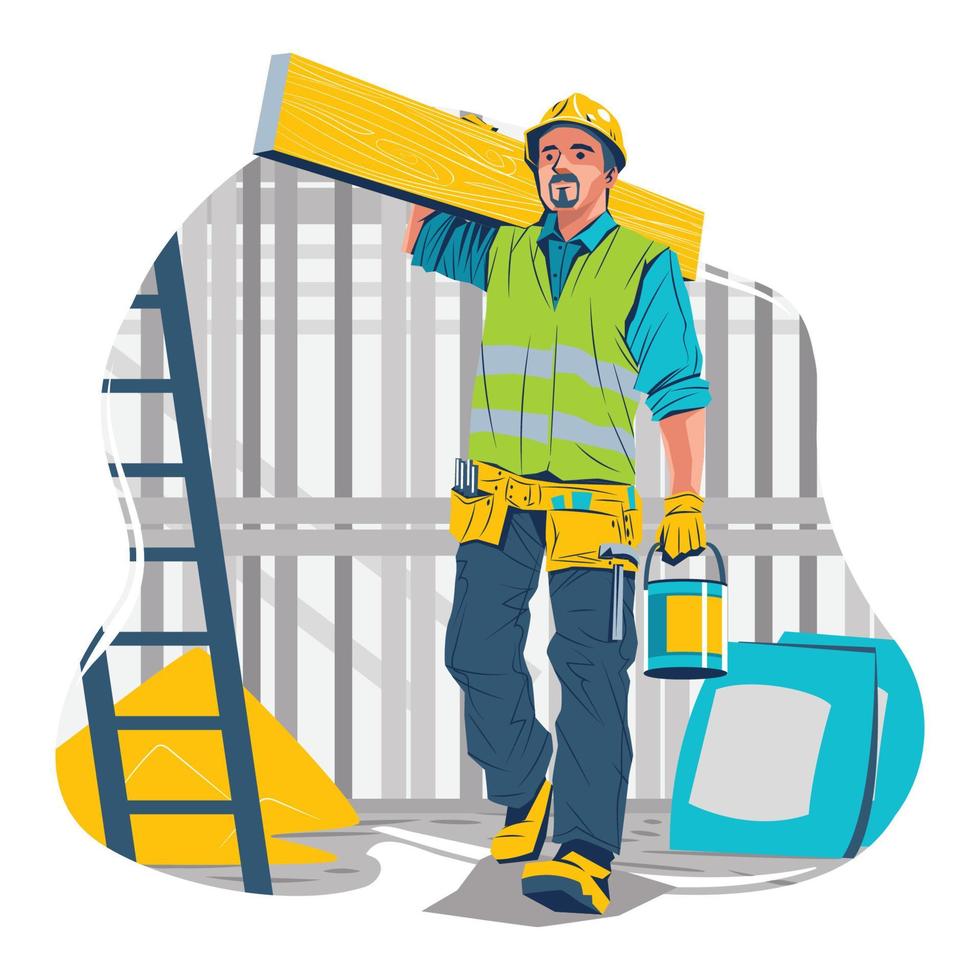
Construction is one of the most critical industries in the world, shaping the built environment and providing the essential infrastructure needed for modern life. From the skyscrapers in bustling cities to the roads that connect them, the field of construction touches nearly every aspect of daily life. This article aims to explore the construction industry in depth, highlighting its importance, types, phases, and challenges.
The Importance of Construction
Construction is integral to the development of society. The physical structures we interact with—such as homes, schools, hospitals, bridges, and highways—are the products of construction. These projects contribute significantly to economic growth, create jobs, and enhance the quality of life for communities.
At the macro level, construction fuels the global economy. It is a massive industry employing millions worldwide, from skilled laborers and engineers to architects and project managers. It has an overarching influence on many other industries like real estate, manufacturing, and transportation, further driving economic development.
Types of Construction
拆卸工程 projects can be broadly categorized into several types, each with its unique requirements, challenges, and processes.
-
Residential Construction: This type involves the building of houses, apartments, and other residential buildings. It is typically smaller in scale compared to commercial construction and focuses on providing living spaces for individuals and families.
-
Commercial Construction: Commercial construction includes office buildings, shopping malls, hotels, and other structures used for business purposes. These projects often involve larger budgets and require more complex design and engineering solutions due to their size and function.
-
Industrial Construction: This category covers the construction of factories, power plants, refineries, and other industrial facilities. It is highly specialized and often involves technical knowledge and expertise in various engineering fields, including electrical, mechanical, and civil engineering.
-
Infrastructure Construction: Infrastructure construction is vital for public welfare and includes projects such as roads, bridges, tunnels, railways, airports, and utility networks. These projects are essential for economic connectivity, transportation, and energy distribution.
-
Environmental Construction: With growing concerns about sustainability, environmental construction focuses on eco-friendly buildings and infrastructure. This includes projects that incorporate renewable energy sources, energy-efficient systems, and sustainable materials to minimize the environmental footprint.
Phases of Construction
The construction process is complex, involving several key stages, from planning to completion. While each project may vary in scope and duration, the following phases are typically involved:
-
Planning and Design: The first stage is critical in determining the project’s feasibility, design, and budget. Architects, engineers, and planners collaborate to create blueprints, technical drawings, and a comprehensive plan that outlines the project’s scope. This phase also includes obtaining permits and approvals from local authorities.
-
Pre-Construction: Once the design is finalized, preparations begin for the actual construction. This includes sourcing materials, hiring contractors, and setting up project timelines. Site preparation, including clearing land and setting up temporary facilities, occurs in this stage.
-
Construction: The construction phase involves the actual building of the structure. This stage typically starts with excavation and foundation work and progresses to framing, roofing, electrical, plumbing, and interior finishes. Skilled laborers, such as carpenters, electricians, masons, and plumbers, are involved in this phase.
-
Inspection and Testing: As construction progresses, inspections and testing are conducted to ensure compliance with building codes and safety standards. This phase helps identify any issues that need to be corrected before moving on to the next phase.
-
Completion and Handover: Once construction is finished, the project undergoes final inspections. After meeting all necessary requirements, the structure is handed over to the client or end-user. At this point, the building or infrastructure becomes operational.
-
Post-Construction: The final phase involves ongoing maintenance and repairs. Some projects also require landscaping or additional finishing touches. Contractors may also provide warranties or guarantees for certain aspects of the construction work.
Challenges in the Construction Industry
While the construction industry plays a pivotal role in global development, it also faces several challenges:
-
Cost Overruns: Budgeting for construction projects is notoriously difficult due to fluctuating material costs, delays, and unforeseen complications. Cost overruns are a common issue, which can strain finances and impact the completion timeline.
-
Labor Shortages: Skilled labor shortages have become a significant challenge in many countries. The need for highly specialized workers—such as electricians, carpenters, and welders—often outpaces supply, leading to delays and increased labor costs.
-
Safety Risks: Construction is one of the most dangerous industries, with workers exposed to hazards like falls, equipment accidents, and exposure to harmful materials. Safety protocols, training, and risk management are critical to minimizing accidents.
-
Environmental and Regulatory Issues: Construction projects must adhere to a range of environmental regulations, such as zoning laws, waste management, and sustainability standards. Compliance with these regulations is not only legally required but can also influence the design and materials used in construction.
-
Technological Integration: The adoption of new technologies—such as building information modeling (BIM), drones, and automation—has the potential to revolutionize the construction industry. However, integrating these technologies can be costly and require specialized training, which may hinder widespread adoption.
The Future of Construction
The construction industry is evolving rapidly, driven by technological advances and growing sustainability concerns. Key trends shaping the future of construction include:
-
Sustainable Building Practices: With the growing emphasis on climate change and environmental conservation, sustainable construction practices are gaining momentum. Builders are increasingly using eco-friendly materials, adopting energy-efficient designs, and implementing renewable energy solutions to reduce the environmental impact of construction projects.
-
Smart Cities and Infrastructure: As urbanization continues, smart cities are becoming a focal point. These cities use advanced technologies—such as sensors, IoT, and AI—to create more efficient, connected, and sustainable urban spaces. Construction will play a key role in developing this infrastructure.
-
Modular and Prefabricated Construction: Modular and prefabricated construction methods are gaining popularity due to their efficiency and cost-effectiveness. These techniques involve creating components of a building off-site and assembling them on-site, reducing construction time and minimizing waste.
-
Digital Transformation: The integration of digital tools like BIM, project management software, and augmented reality (AR) is transforming how construction projects are planned, managed, and executed. These technologies enable better collaboration, streamline workflows, and improve accuracy, ultimately leading to more successful projects.
Conclusion
Construction is a fundamental pillar of modern society, directly influencing economic growth, urban development, and quality of life. While it faces numerous challenges—from cost overruns to safety risks—it continues to evolve through technological advancements and sustainable practices. As the world continues to grow and change, so too will the construction industry, striving to meet the needs of an ever-changing global landscape.